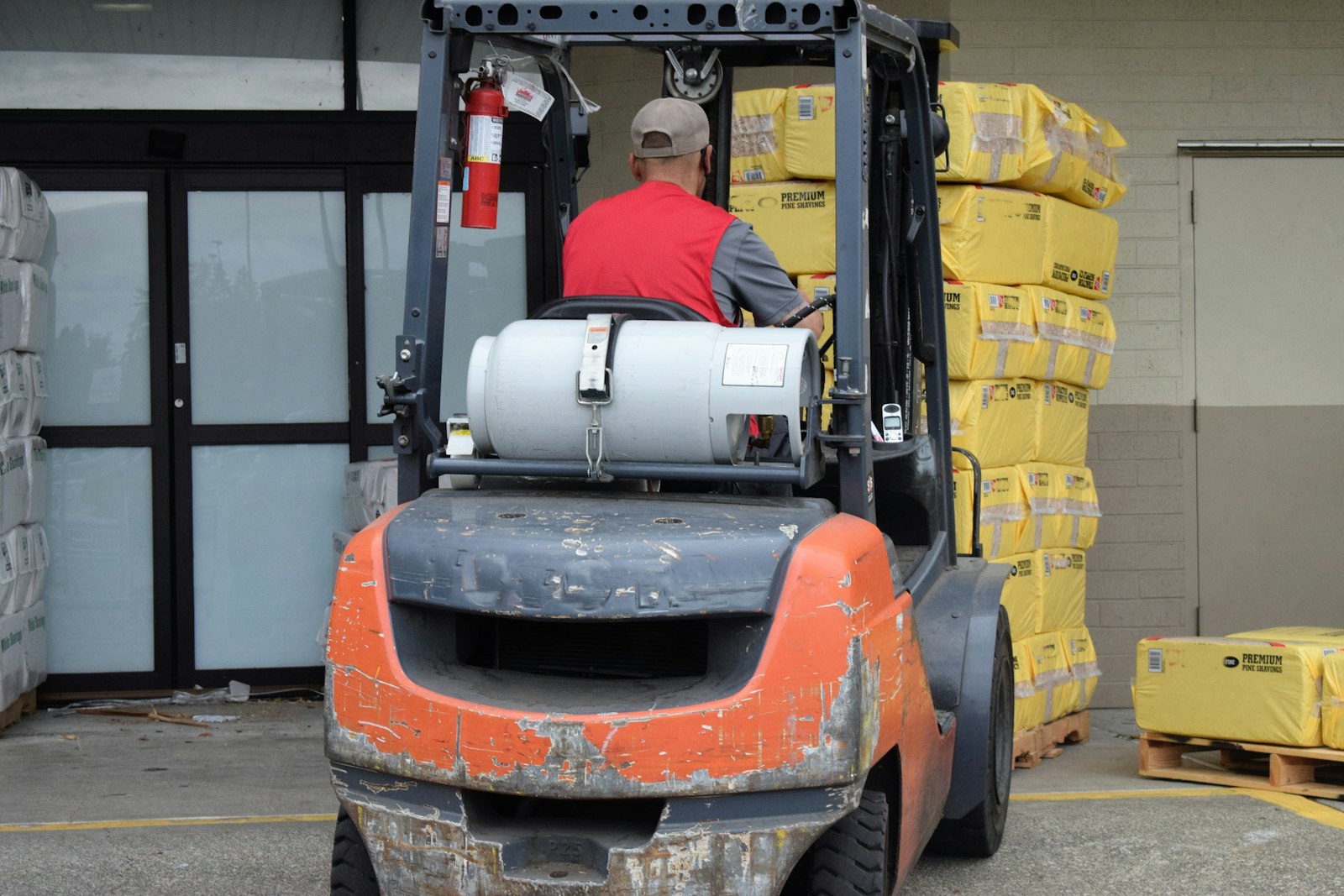
Learning to drive a forklift can be exciting but it can also be a little challenging at first. These machines are powerful and using them safely takes skill and practice. That’s why forklift training is so important, whether you’re starting a new job in a warehouse, logistics or construction, or you want to improve your skills.
Staying Safe
Forklift training is about keeping yourself and others safe because forklifts can cause serious injuries or even worse if they’re not used correctly. Training teaches you how to handle loads, check the machine before use and react safely in emergencies. Knowing the rules and limits of the forklift helps to prevent accidents and keeps everyone around you safe.
Following the Rules
Good training also helps you work better and faster. Well trained and experienced operators move materials more quickly, avoid damaging goods and keep the work moving. In the UK, it’s also the law that forklift operators are trained properly. Under the Health and Safety at Work Act 1974, employers must make sure that anyone using lifting equipment is well trained.
That’s why many people choose forklift training Swindon courses, like the examples seen here, https://globalflt.com/services/rtitb/fork-lift-truck-training-near-me/swindon/ to get the right skills and a valid certificate.
Worth the Investment
Forklift training is a legal requirement and it’s also an investment in safety, confidence and being efficient. Trained operators can help to protect themselves, help their team and make the work run well. For both employers and workers, taking the time to get proper training is always worth it.
How a warehouse safety plan supports drivers
Training individual operators works best inside a clear health and safety framework. Every warehouse should have written policies that all staff follow, so that everyone knows what to do if there is an accident or injury. Those policies protect the people on the floor and the stock they handle.
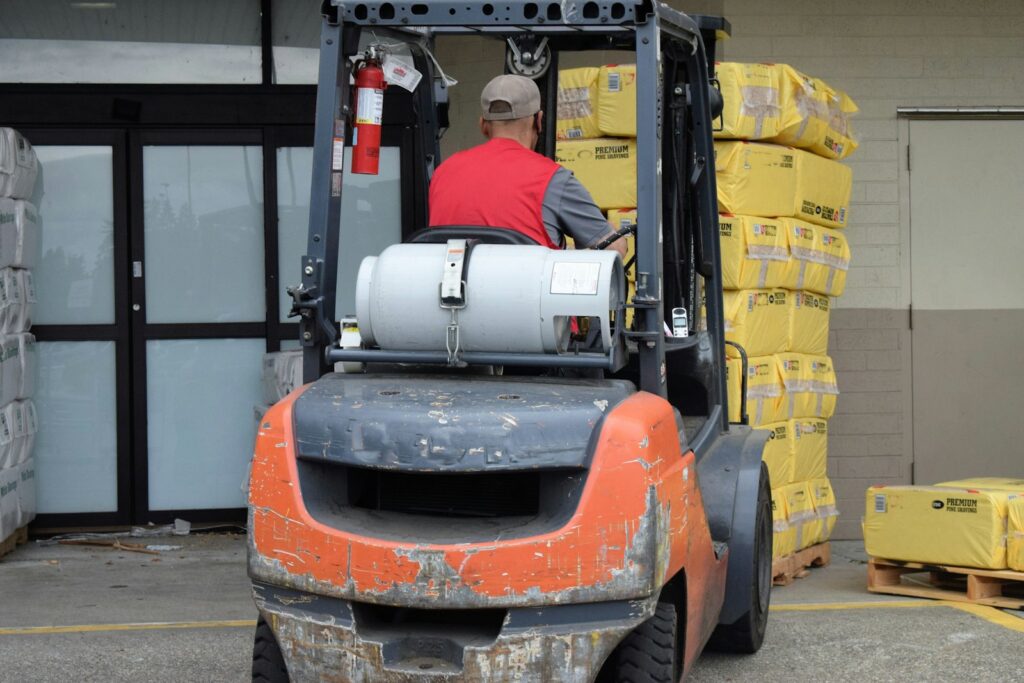
A good plan includes a way to monitor how well the rules are being followed and to review them regularly. Any problems should be raised with management, who can then reorganise how work is done so that equipment such as forklifts and pallet trucks is used properly and safely.
Warehouses carry many different hazards, so both workers and employers need to understand the risks. A structured safety programme helps identify those risks, set out an action plan and take steps to prevent accidents. If something does go wrong, the employer is ready to respond quickly because the procedure is already agreed.